What is BIM and why is it used in refrigeration design?
BIM (Building Information Modelling) is a way of creating a detailed digital model of a building and its systems, allowing designers to see how everything fits and works together before construction begins. In refrigeration design, it enables us to coordinate mechanical, electrical and refrigeration services within the available space, identify potential issues early and develop solutions that are practical, efficient and ready to build.
A clearer understanding from day one
As consultants and engineers, BIM gives us a greater understanding of the space available – and there are also real benefits of using BIM for the clients we work with.
Traditionally, many projects begin with 2D layouts, building up a design based on drawings and assumptions. Today, we can work from accurate digital models of existing buildings, allowing designs to reflect real-world conditions from the outset.
Better coordination, fewer surprises
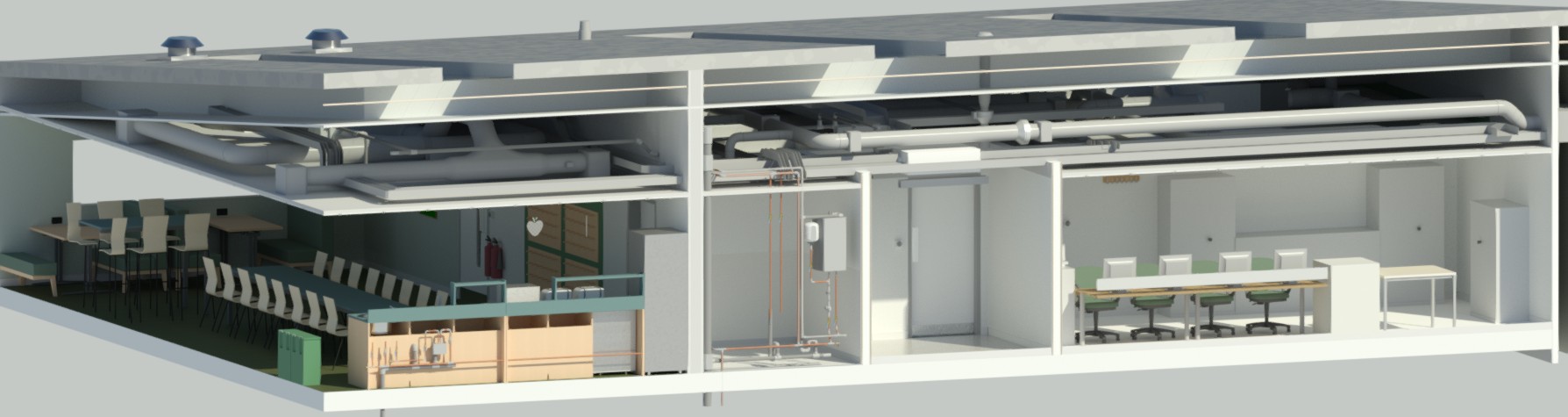
For clients, the biggest advantage of BIM is coordination. By bringing refrigeration, mechanical and electrical services together into a single model, we can see exactly how systems interact within the available space.
This is particularly valuable in refurbishment projects or tight environments, where space constraints and existing structures can create challenges. By coordinating all disciplines early, we reduce the risk of clashes and avoid costly changes later in the project.
PROJECT INSIGHT: Coordinating Services at Maidenhead
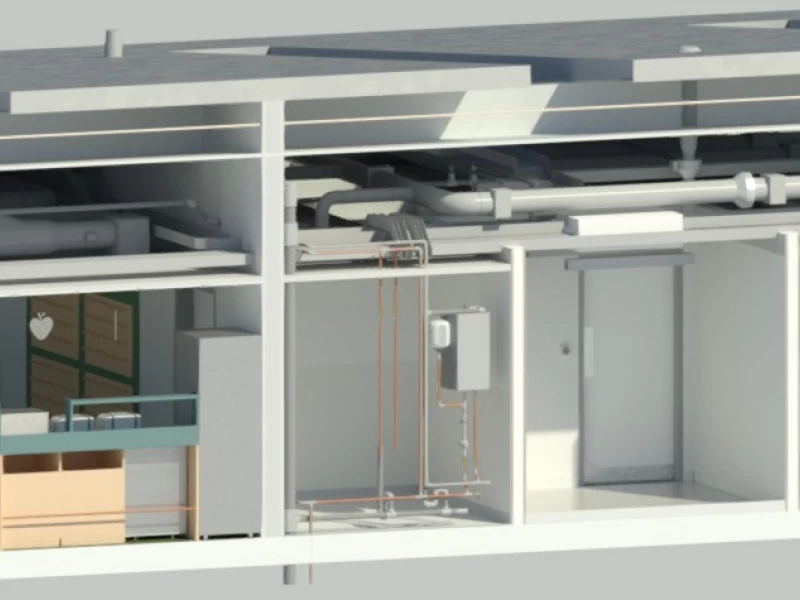
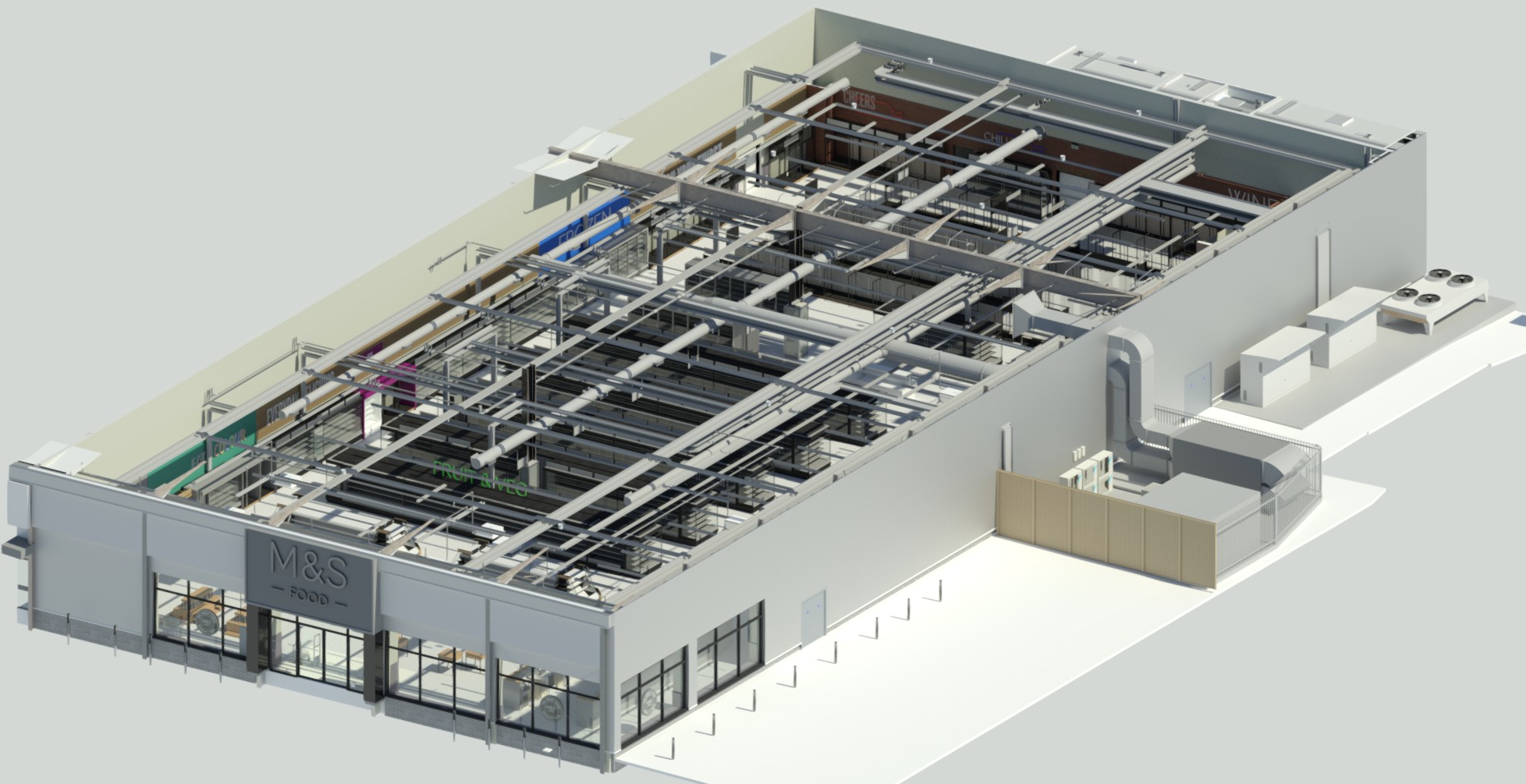
On a recent Marks & Spencer store in Maidenhead, BIM played a key role in coordinating refrigeration, mechanical and electrical services within a constrained space.
By modelling all three disciplines together, we were able to identify a potential clash between ductwork and the structural layout behind a back wall. Using the model, we presented alternative routing options to the client and design team, allowing a decision to be made early in the process.
This level of coordination ensured all services worked together effectively, reducing the risk of on-site issues and supporting a smoother installation phase.
Improving communication and decision-making
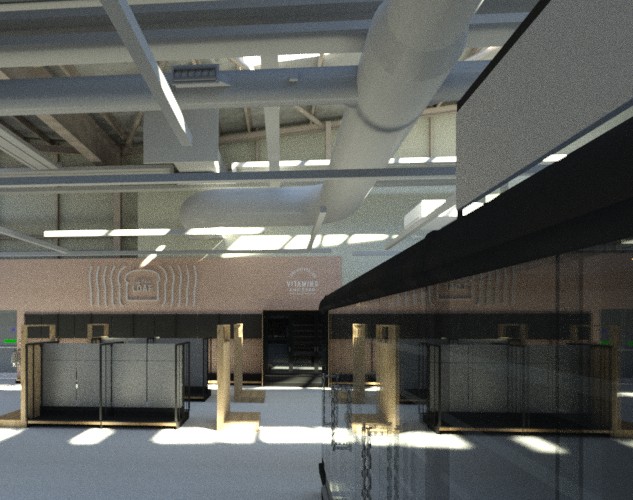
BIM also makes it easier to communicate complex designs. Visual models and screenshots allow clients and stakeholders to clearly understand how systems will look and function.
This improves decision-making, ensuring everyone is aligned before construction begins.
Investing time early to save time later
Developing a coordinated BIM model can take slightly longer at the design stage, but the benefits are clear.
By resolving issues early and aligning all disciplines, projects run more smoothly on site - with fewer delays, fewer changes and more efficient installation.
A more efficient route from design to delivery
For clients, this means reduced risk, better coordination and a more efficient path from concept through to completion. The result is a system that is not only well designed, but also practical to install and perform as intended from day one.